
John Waters: the filmmaker behind Pink Flamingos and Hairspray
A source-linked profile of filmmaker John Waters, his notable directing and writing credits, and how to distinguish him from the Australian actor.
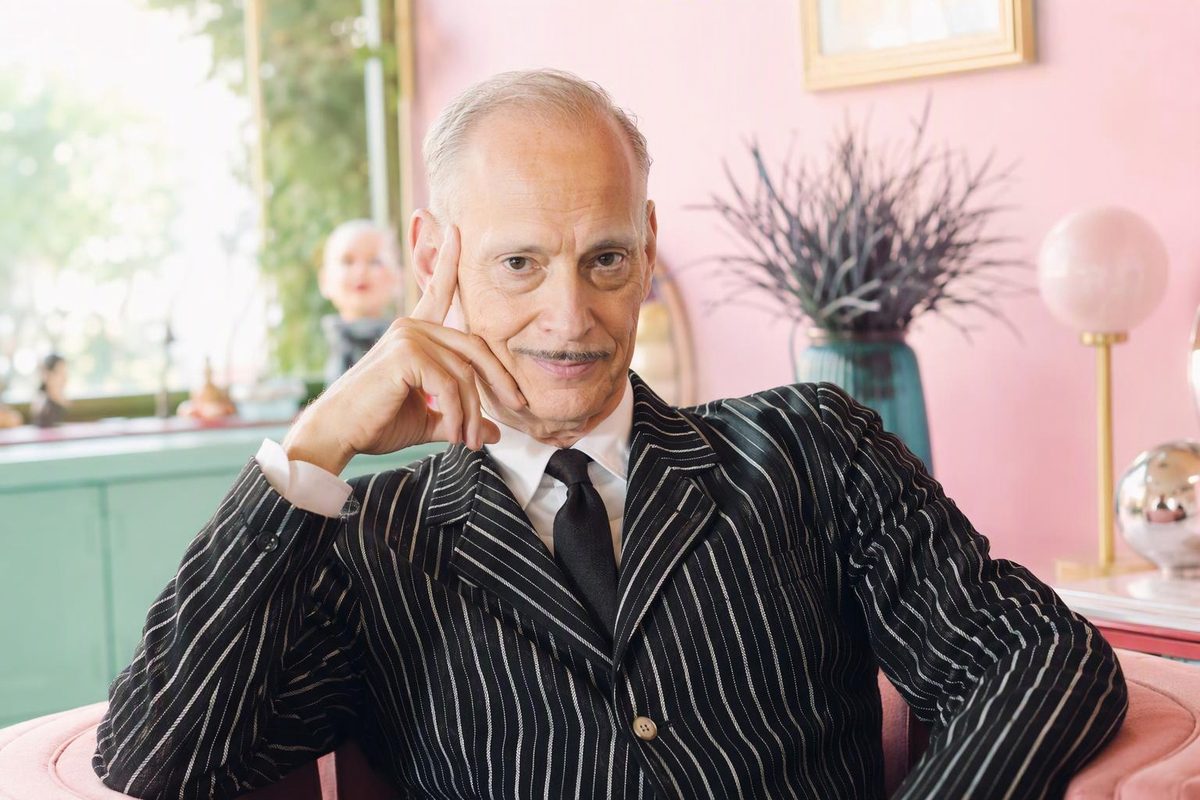
By Celeb Pages
John Waters is an American filmmaker, author and visual artist, known for provocative independent comedies and the original Hairspray. Born on April 22, 1946, in Baltimore, Maryland, he gained a cult following in the 1970s before reaching a broader audience with films including Hairspray (1988), Cry-Baby (1990) and Serial Mom (1994). His Life Stories biography records his birth details and career progression; the Academy Museum’s career exhibition documents his contributions to cinema.
Which John Waters?
This profile covers the Baltimore filmmaker, not the Australian actor and musician of the same name. If you are looking for the John Waters who presented Play School, that is the Australian performer, whose television work is discussed in this Guardian interview.
There is also an important credit distinction within the filmmaker’s own career: Waters wrote and directed Hairspray (1988), but did not direct the 2007 musical film. The Academy Museum’s original-film entry confirms his writing and directing credits. The original inspired a stage musical, which was then adapted for the screen under director Adam Shankman. NPR’s interview with Shankman explains that sequence.
From underground films to wider recognition
Waters began with the 8mm short Hag in a Black Leather Jacket (1964). His early filmmaking was hands-on: the Academy Museum records that he served as writer and director on his films, and also as producer, cinematographer and editor on his first eight. Its 2023 retrospective introduction traces his influences from exploitation cinema to underground experimental filmmakers.
A defining collaboration was with Divine, the drag persona of performer Harris Glenn Milstead. Their films together include Pink Flamingos, Female Trouble, Polyester and Hairspray. The BFI’s guide to Waters describes a partnership that moved from deliberately confrontational underground comedy toward more polished productions without abandoning its outsider perspective.
Hairspray marked a particularly accessible turn: Ricki Lake plays Tracy Turnblad, a teenager seeking a place on a Baltimore television dance show while challenging racial segregation. Divine plays Tracy’s mother. Rather than treating Waters’s later work as a rejection of his earlier films, the BFI identifies a continuing interest in outsiders, equality and resistance to authority.
The nickname “Pope of Trash” reflects his reputation for challenging good taste and conventional institutions. The Academy Museum attributes that label to novelist William S. Burroughs and used it as the title of its comprehensive career exhibition.
Notable directing and writing credits
Waters wrote and directed every film in this selected list. It is a guide to notable works, not a complete filmography or a list of his acting appearances.
| Film | Year | Place in his career |
|---|---|---|
| Pink Flamingos | 1972 | The underground film that brought him cult notoriety. |
| Female Trouble | 1974 | A Divine-led comedy satirizing crime, beauty and celebrity. |
| Polyester | 1981 | A suburban comic melodrama starring Divine and Tab Hunter. |
| Hairspray | 1988 | The original Tracy Turnblad film, later adapted into a stage musical. |
| Cry-Baby | 1990 | A 1950s-set musical starring Johnny Depp. |
| Serial Mom | 1994 | A dark comedy starring Kathleen Turner as a murderous suburban mother. |
| Pecker | 1998 | A Baltimore photographer’s rise into the New York art world. |
| Cecil B. Demented | 2000 | A satire about underground filmmakers who kidnap a Hollywood star. |
| A Dirty Shame | 2004 | A sexually explicit comedy about a divided Baltimore neighborhood. |
The BFI guide covers the first four titles and Serial Mom. The Academy Museum supplies explicit writing/directing credits and years for Cry-Baby and Pecker, and for Cecil B. Demented and A Dirty Shame.
Books and work beyond directing
Waters’s writing includes Role Models, Carsick and Mr. Know-It-All. He published his first novel, Liarmouth: A Feel-Bad Romance, in 2022; a WYPR interview that May distinguishes it from his earlier nonfiction. His work also includes visual art and the one-man show This Filthy World, documented in the Academy Museum’s retrospective.
Which film should you start with?
For an accessible introduction, choose the 1988 Hairspray. For a bridge between his underground sensibility and more polished filmmaking, choose Polyester—the BFI’s recommended starting point. Pink Flamingos is central to his reputation, but its explicit and deliberately disturbing material makes it a less approachable first watch. The BFI’s viewing guide explains those differences in detail.